Plenty of dogs have a rough time with treats. They gobble down a biscuit, then spend the next day dealing with an upset stomach. Diarrhea hits. Sometimes vomiting. Gas pains that leave them restless and uncomfortable. Figuring out what goes wrong helps you find treats that work for your dog’s stomach.
Common Culprits Behind Treat Troubles
Sensitive dogs often can’t handle rich snacks. All those chemicals don’t help either. Red dye number 40. BHA and BHT preservatives. Fake bacon flavor created in a lab. Sure, these keep treats from spoiling on store shelves for months. But some dogs pay the price with hours of digestive chaos.
Food allergies throw another wrench into things. Maybe your dog scarfs down chicken without issue but lamb sends them running for the grass to eat. Rice sits fine while wheat triggers scratching fits. Each dog has its own list of troublemakers. Then there’s the size problem. Larger treats require more effort to break down. When dogs ingest them in big, partially chewed pieces, their stomachs are overloaded. Digestive systems may lack the additional effort needed to break down those pieces.
Recognizing Sensitivity Signs
Bad reactions show up fast sometimes. Within hours, loose stools appear. Vomiting follows. The dog refuses dinner and mopes around the house. Gas makes everyone miserable, including the dog. Other signs sneak up slowly. Paws get licked raw for no obvious reason. Scratching increases even though you just gave a flea treatment. Eyes water and look red. These subtle hints often point to food sensitivities that owners miss.
Watch the clock after giving treats. Immediate problems suggest direct digestive upset. Reactions that take a full day to appear might mean different sensitivities at work. Write down what happens and when. Patterns emerge that help identify troublesome ingredients. Your dog might drink buckets of water after certain treats. Energy crashes in the afternoon. Unusual tiredness follows treat-heavy training sessions. The body expends extra energy on unwanted ingredients, draining reserves for other activities.
Finding Stomach-Friendly Solutions
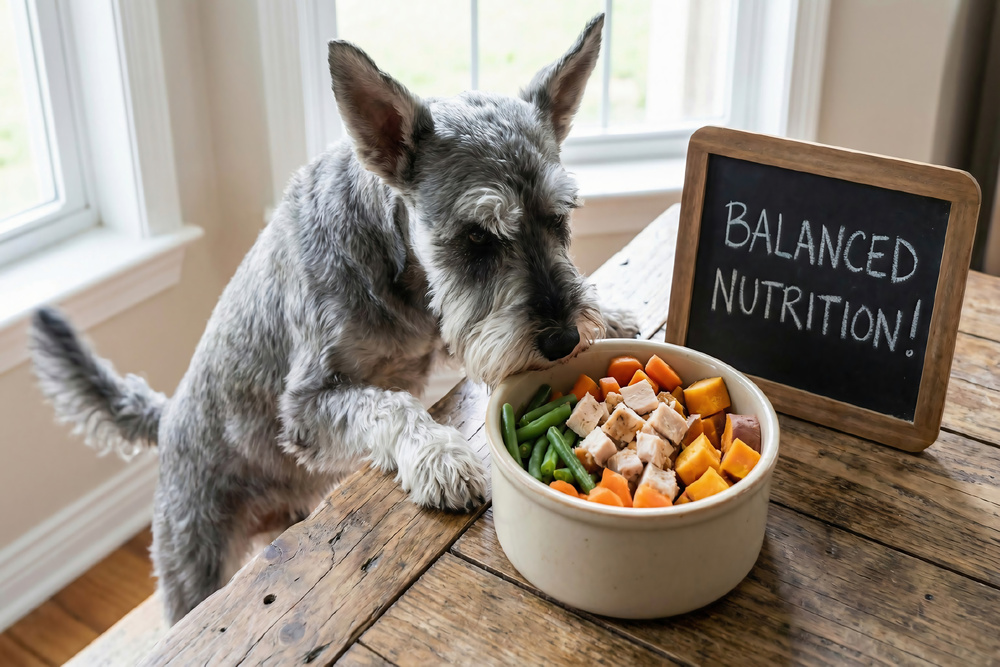
Simple works best for sensitive stomachs. Single ingredients cause fewer problems than complex formulas. A piece of plain cooked chicken beats a treat with twenty ingredients. Freeze-dried meats offer pure protein without extras. Sweet potato slices provide gentle fiber. Carrot sticks give satisfying crunch. These basic foods rarely trigger reactions. Several companies now focus specifically on sensitive dogs. Nextrition developed dog treats for sensitive stomachs that skip common triggers and use careful processing to maintain quality without harsh additives. Pet parents can keep training without worrying about aftermath.
Making Treat Time Work
Test everything carefully. One small piece of a new treat tells you enough. See how your dog handles it over the next day. No problems? Try two pieces tomorrow. This slow introduction prevents massive digestive blow-ups. When you give treats matters. An empty stomach might rebel against treats that would be fine after breakfast. Morning treats might work while evening ones cause overnight problems. Don’t give all the treats at once; spread them out over the course of the day.
Not all dogs need food rewards during training. Some pups work harder for tennis ball throws than liver treats. Praise gets tails wagging. Extra playtime motivates better than biscuits. Breakfast kibble makes great rewards.
Conclusion
Treats are still possible with sensitive stomachs. Even dogs with tummy troubles deserve treats. Finding what works takes patience and observation. Maybe commercial sensitive-stomach formulas solve the problem. Perhaps homemade options work better. Some dogs thrive on simple, whole foods. The solution exists. You just have to find it through careful testing and attention to your dog’s responses.